
Ultherapy vs Traditional Facelifts: A clear comparison to help you choose the right skin‑tightening treatment
Deciding between non‑surgical and surgical facial rejuvenation can feel overwhelming. This guide compares Ultherapy and traditional facelifts so you understand how each works, who benefits most, and what to expect from results and recovery. Whether you’re noticing early laxity or considering a more dramatic change, these clear comparisons will help you choose the option that fits your goals and lifestyle.
What Is Ultherapy and How Does It Work for Skin Tightening?
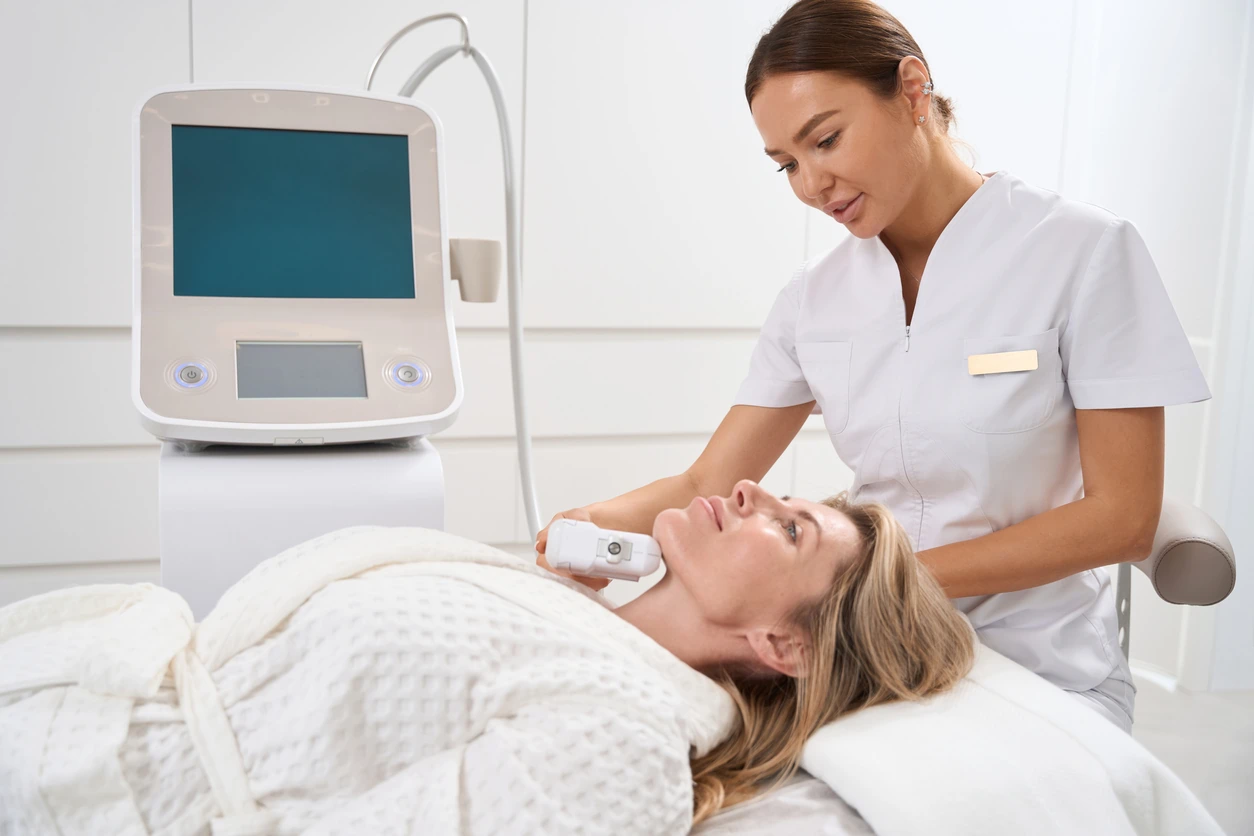
Ultherapy is a non‑invasive procedure that uses focused ultrasound to encourage your skin’s own collagen renewal. The device directs energy to deeper layers beneath the skin’s surface, prompting natural rebuilding and gradual lifting without incisions. It’s a great option for people wanting a subtle, natural lift without surgery.
How Does Ultherapy Use Ultrasound to Stimulate Collagen Production?
Ultherapy delivers focused ultrasound pulses to foundational layers of the face, including the superficial muscular aponeurotic system (SMAS), to trigger collagen production. When performed at a professional skin care clinic in Sydney, the treatment is carefully tailored to your skin type and lifting goals, ensuring safe and precise energy delivery.
Which Facial Areas Can Benefit from Ultherapy Treatment?
Ultherapy can be used on the brow, chin, neck, and décolletage, common areas where skin begins to loosen and fine lines appear. By targeting these zones, the treatment lifts and tightens, delivering a refreshed but natural look. Many clients notice changes after a few months as collagen rebuilds.
What Is a Traditional Facelift and What Does the Surgical Procedure Involve?
A traditional facelift (rhytidectomy) is a surgical approach to reduce visible ageing by lifting and tightening the skin and the supporting tissues beneath. Surgeons commonly make incisions around the ears and sometimes into the hairline to reposition skin and underlying structures for a more contoured, youthful appearance. This approach addresses sagging, deep folds and loss of definition with long‑lasting results.
How Does a Facelift Reposition Skin and Underlying Tissues?
During a facelift the surgeon elevates the skin and repositions deeper tissues, including the SMAS, to restore a more youthful facial contour. Excess skin and fat may be removed and connective tissues tightened. The outcome is a firmer, smoother profile,often with a more defined jawline,and results that commonly last 5 to 10 years.
Which Areas Are Targeted by a Traditional Facelift?
Traditional facelifts mainly address the lower two‑thirds of the face: cheeks, jawline and neck,areas that typically show the most noticeable sagging and deep folds. For comprehensive rejuvenation, surgeons sometimes combine a facelift with eyelid surgery or a brow lift.
How Do Ultherapy and Traditional Facelifts Compare: Procedure, Results, and Recovery?
Ultherapy and facelifts differ in approach, speed of effect and recovery. Ultherapy is non‑surgical and requires no incisions; facelifts are surgical and involve a longer recovery. Understanding these distinctions helps you match treatment to your priorities,subtle, incremental change versus more immediate, dramatic improvement.
What Are the Key Differences in Procedure Type and Mechanism?
Ultherapy stimulates collagen with focused ultrasound, encouraging gradual tightening over several months. A facelift physically lifts and repositions skin and deeper tissues through surgery, producing immediate and more pronounced change. Each method has distinct benefits, and the best choice depends on your anatomy, ageing stage, and expectations.
It’s important to note that some non‑surgical treatments can alter tissue structure and may make later surgical procedures more complex. Discuss your full treatment history with your clinician before deciding.
Non‑Invasive Treatment Complications for Subsequent Surgery
Non‑invasive neck procedures, including injectable lipolysis, cryolipolysis and energy‑based devices, are common alternatives to surgery. While generally promoted as safe, these treatments can cause fibrosis, tissue loss or other anatomical changes that may complicate subsequent surgical neck lifts.
Neck Lift After Nonsurgical Treatments: Fibrosis, Fat Loss, and Surgical Complexity, 2025
How Do Results, Longevity, and Downtime Differ Between Treatments?
Ultherapy results usually appear over two to three months and can persist for roughly 12 to 18 months depending on how you age and individual factors. Downtime is minimal, most people return to normal activities immediately or within a day. A facelift gives immediate, longer‑lasting change (commonly 5 to 10 years) but involves a longer recovery, with swelling and bruising most pronounced in the first two to four weeks.
Who Are the Ideal Candidates for Ultherapy Versus Traditional Facelifts?
Choosing the right treatment depends on the degree of laxity, your health, and the result you want. Both options serve different needs and timelines.
Which Skin Laxity Levels Suit Ultherapy Best?
Ultherapy suits people with mild to moderate skin laxity who prefer a non‑surgical approach or who want to delay surgery. It’s especially appropriate for younger patients or anyone wanting a subtle, natural lift without surgical downtime. Realistic expectations and good general health support the best outcomes.
When Is a Surgical Facelift Recommended for Facial Rejuvenation?
A surgical facelift is typically recommended for moderate to severe laxity or when someone wants a more dramatic and durable improvement. Ideal candidates are those with significant ageing changes who are seeking comprehensive, long‑lasting rejuvenation. A consultation with a qualified surgeon will confirm the best path based on your anatomy and goals.
What Are the Recovery Timelines for Each Treatment?
What Is the Typical Recovery Time After a Traditional Facelift?
Recovery from a traditional facelift usually takes two to four weeks for most visible swelling and bruising to settle. Many people return to work within about two weeks, while final refinements can take several months as tissues fully heal and settle into place.
What Are the Benefits, Risks, and Non-Surgical Alternatives to Consider?
Both Ultherapy and facelifts have clear advantages and trade‑offs. Understanding likely benefits and risks will help you choose the safest, most effective path for your needs.
What Are the Advantages and Potential Side Effects of Ultherapy?
Ultherapy at NuuSkin Sydney offers a non‑surgical option with minimal downtime and gradual, natural‑looking results. Common temporary side effects include mild redness, swelling, tingling, or brief discomfort in treated areas; these usually resolve quickly.
What Are the Benefits and Risks Associated with Traditional Facelifts?
A traditional facelift provides dramatic, immediate rejuvenation and longer durability. As with any surgery, potential risks include infection, scarring, hematoma, nerve injury, and anesthesia‑related complications. Discuss risks and recovery thoroughly with your surgeon to make an informed decision.
This side‑by‑side comparison highlights the different approaches and outcomes of Ultherapy and traditional facelifts, so you can choose the treatment that best matches your goals and lifestyle.
Conclusion
Deciding between Ultherapy and a traditional facelift depends on how much change you want, how long you want it to last, and how much downtime you can accept. Ultherapy offers a low‑downtime, non‑surgical lift that’s ideal for mild to moderate laxity. A facelift delivers more immediate, longer‑lasting improvement for more advanced ageing. If you’re unsure, book a consultation, and we’ll review your needs and create a personalised plan that suits your goals.